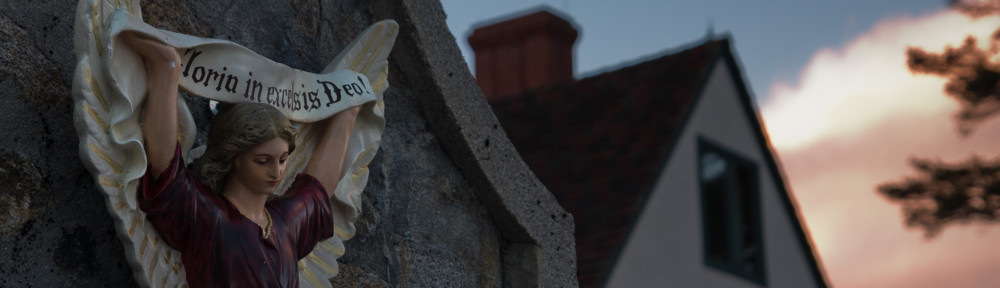
photo from Archdiocese of Washington Collection
Sometimes it is not one or the other but rather both/ and. I have been thinking and praying about this a lot over the last two weeks. I live on Capitol Hill in Washington D.C. and have witnessed some of the largest marches and demonstrations that I have seen in the last twenty years. I’ve also been reading a lot of signs that the marchers and protesters carried. If you looked only at the signs, you would think we live in a world defined by competing principles and all of us are being called to take sides and battle it out until one side goes down in defeat. This serves no one well.
Some of our most volatile issues of the day are not a battle of competing goods, but rather a battle that accepts no middle ground. We often lack the humility to recognize we might actually be talking about complementary principles and goods. For example, take the question of immigration. Most people would agree that a country has a right to secure its borders and most people agree that we have an enormous problem at present where many people’s homelands have become unlivable. Most people would agree that people have a right to seek justice and peace, in a safe community. It seems the discussion we should be having is how we manage to control our borders and respond to the need for safe passage to safer communities for millions of refugees who are displaced from their homelands. Who is having that conversation? Well, the Catholic Church, for one!
Our faith is grounded in balancing in a life-giving creative way the tension of both/and. After all, we talk about how belief is rooted in faith and reason. We believe that justice should be wrapped in mercy. We know that with sin, there is always the possibility of grace. This ability to see the complementary goods has never been on bigger display than this past week.
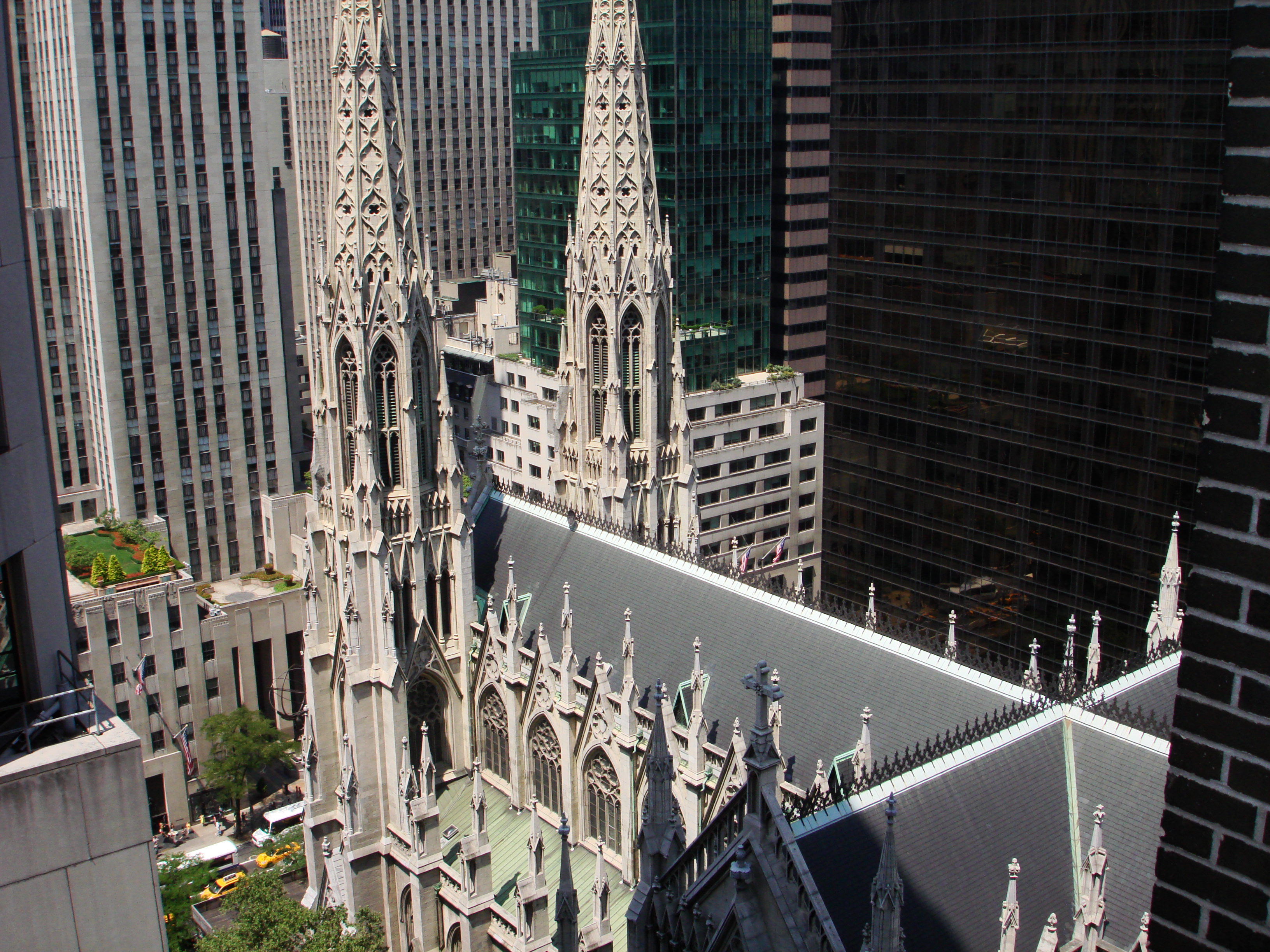 The week began with the United States Conference of Catholic Bishops issuing a strongly worded statement opposing President Trump’s executive order on Immigration. They write “We strongly disagree with the Executive Order’s halting refugee admissions. We believe that now more than ever, welcoming newcomers and refugees is an act of love and hope.”
Here the Church draws on its principles of Catholic Social Teaching which holds both the right of people to migrate to “sustain their lives” and the right of a country to “regulate its borders and control immigration” (Catholic Social Teaching on Immigration and the Movement of Peoples).
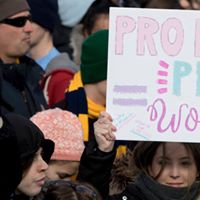
In the same week, many bishops and Catholic Pro-Life marchers welcomed the presence of Vice-President Pence who supports the work of the Pro-Life Movement. The Church both preaches against the sin of abortion and the right of every woman to have all the support she needs from the government and community to bring her child into the world. The Church will continue to advocate against abortion and, through ministries like Project Rachel, offer healing and hope to women and men touched by the experience of abortion.
These two issues in the span of a week, highlight what many people find so confounding about the advocacy of the Catholic Church on behalf of social issues. We seem to some to be “always changing sides.” And that is just it, we don’t take sides. We stand in the truth of the Gospel of Life. Rather than getting tied up in political platforms and ideologies, the Church looks to the Gospel and in the harmony of truth and reason seeks always and everywhere to protect the dignity of the human person through the exercise of mercy and justice.
Now, more than ever, our country needs the wisdom of a church that can navigate toward the common good by exercising both/and. We need to identify the common good within the issues on which we are so quick to take sides– and work together toward a shared good.
What does a country look like that has a secure border and the ability to welcome people seeking peace, a job, a place for their children to thrive. What do support networks look like that would say we are a community who know women deserve better than having to choose an abortion and can provide for their care. What does a country look like that can promote the dignity of the human person and the common good of the community? These are questions that the Church has thought about for centuries and has some wisdom to share.
Pope Francis believes that sharing that wisdom is part of our mission to the world today. He writes in The Joy of the Gospel, “Despite the tide of secularism which has swept our societies, in many countries – even those where Christians are a minority – the Catholic Church is considered a credible institution by public opinion, and trusted for her solidarity and concern for those in greatest need. Again and again, the Church has acted as a mediator in finding solutions to problems affecting peace, social harmony, the land, the defense of life, human and civil rights, and so forth. And how much good has been done by Catholic schools and universities around the world! This is a good thing! (65).
Today, we all have an opportunity to bring this good thing to bear in our conversations and in our advocacy. Let’s be one of those schools!
Susan Timoney is Secretary for Pastoral Ministry and Social Concerns for the Archdiocese of Washington.
