
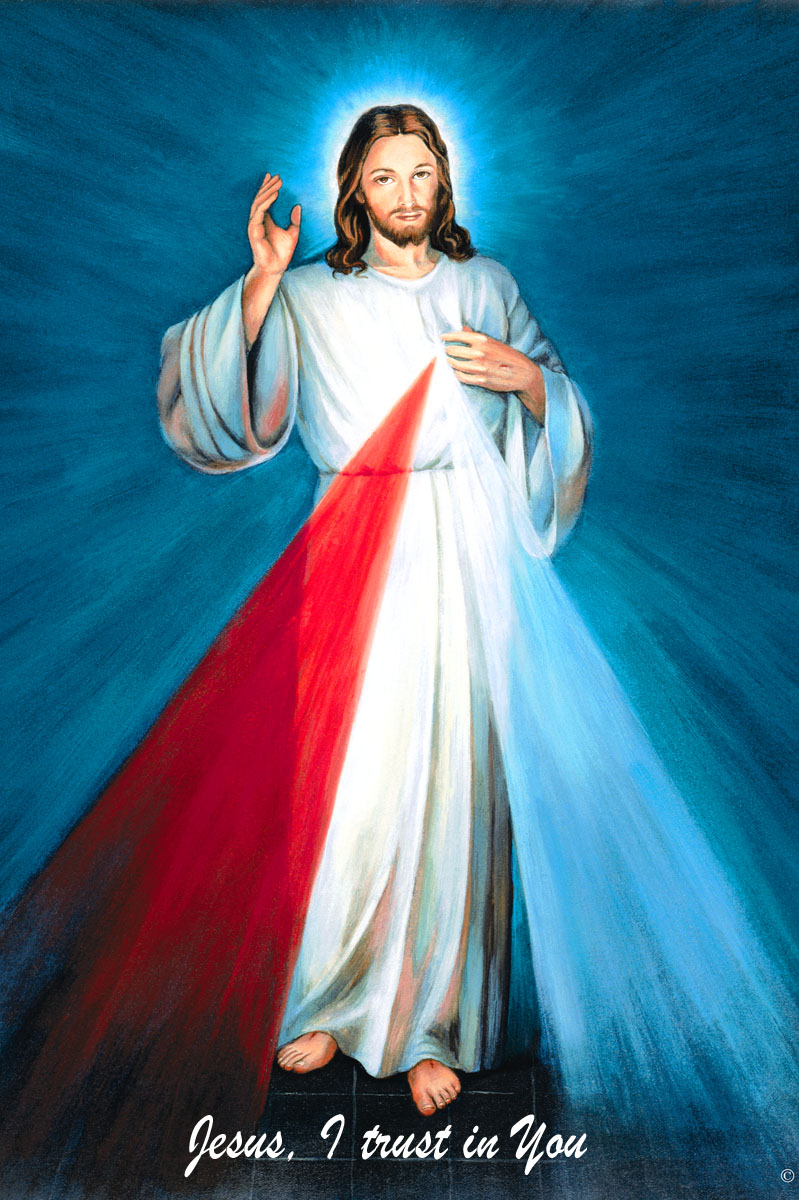
 As the Church and world celebrate the canonizations of St. John XXIII and St. John Paul II today, it is important to note the significance of this day on which these canonizations are taking place, Divine Mercy Sunday. For St. John Paul II, the Mercy of God was an early and prevalent theme in his pontificate. In 1980, he issued the encyclical, Dives in Misericordia, which not only views Jesus Christ as the “Incarnation of mercy” (2), but also teaches that mercy is “the fundamental content of the messianic message of Christ and the constitutive power of His mission” (6). The ramification of such a bold way of describing mercy challenges human beings to move beyond a basic understanding of justice. He notes that “mercy has the power to confer on justice a new content, which is expressed most simply and fully in forgiveness” (14).
Forgiveness in an age of self-centeredness and rabid individualism is often seen as weakness. And yet, through the seeming weakness of the Cross, his “sorrowful passion”, forgiveness, love, and mercy are offered “to us and to the whole world” (Cf. Chaplet of Divine Mercy). They are confirmed in the Resurrection of Jesus Christ who 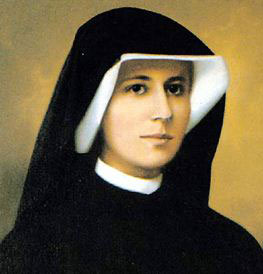 appears to his disciples and takes away all doubt, bringing peace to those in fear. All of the baptized are called to carry on this mission of Christ that offers mercy to a suffering and broken world. A life lived in mercy will lead to greater unity with one another. St. John Paul II, when he canonized the visionary of Divine Mercy, St. Faustina Kowolska, and declared the Second Sunday of Easter as Divine Mercy Sunday in the Jubilee Year of 2000, said in his homily that day that Jesus “showed us the many paths of mercy, which not only forgives sins but reaches out to all human needs…every kind of human poverty, material and spiritual” (Homily for Divine Mercy Sunday, 4).
True and lasting forgiveness that leads to living a life of deeper compassion and mercy can only occur with trust. The Apostle Thomas in today’s Gospel passage did not trust the word of witness of his brothers and sisters in the Upper Room. He needed to experience the mercy of Jesus Christ for himself, as do we. It is only through a personal encounter with Christ as the Merciful One that we have the graced strength to say, “Jesus, I trust in You!”
Fr. Frank Donio, S.A.C., is Director of the Catholic Apostolate Center.
 unt of Olives toward Jerusalem, Jesus’ multitude of disciples accompany and receive him. They lay down cloaks and leafy branches on the road before him and proclaim Jesus of Nazareth the “son of David,” the “king.” This alludes to and fulfills Psalm 118:25-27: “Lord [actually, YHWH], grant salvation! [in Hebrew, Hosanna!]…Blessed is he who comes in the name of the Lord…The Lord is God and has given us light. Join in procession with leafy branches…!” Jesus’ extolled, messianic procession also fulfills prophecy in Zechariah 9:9 and alludes to Isaiah 40:9 and 62:11. Concerning Jesus’ approach toward Jerusalem, the intertextuality between each Gospel and the Old Testament is significant and intricate in messianic contour.