
To err is human; to forgive, Divine. The old adage about God’s mercy and our frailty provides a tempting means of letting ourselves off the hook when it comes to forgiving others. After all, as “mere humans,” we’re weak, fragile and subject to every whim, distraction and opportunity for self-indulgence with which we’re presented. According to this line of thought, “I’m only human,” becomes a defense for wrongdoing that (if we’re honest) each of us has employed at one time or another. Doing what is right and just at all times is impossible for us, so we might as well not worry about striving too hard to hit the mark. As for forgiveness: it’s a goal, but not one we’re expected to consistently attain because some things are just too awful to forgive (human weakness, after all). All of the “tough stuff,” the hard things in life, and those that require a lot of extra effort – those are things God can do, but not us “puny humans.”
Today is Ash Wednesday, the gift the Church gives us as a call to self-reflection and repentance – and to the realization that we are to strive toward the Divine. It is the 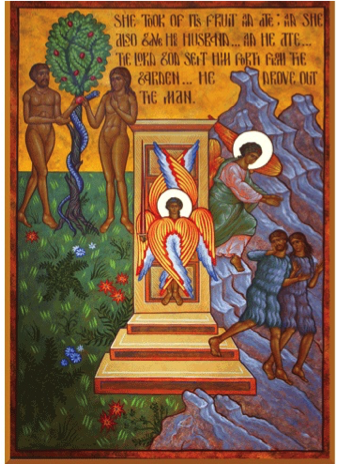 beginning of the Lenten season, and an opportunity to truly walk with Jesus as He makes His way toward the Cross. For Eastern Catholics, this season actually began two days earlier. Monday marked the first day of The Great Fast (as it is called in the East), and it begins, in a way, by refuting the adage about forgiveness being strictly God’s province.
The day before The Fast begins is known as Forgiveness Sunday, wherein we remember the expulsion of Adam and Eve from the Garden, and the beginning of the path toward salvation. Vespers are celebrated in the evening, and end with a Service of Mutual Forgiveness, in which everyone – from the priest, to the altar servers, to the people in the pew – approach each other individually to ask for and receive forgiveness with these words:
Forgive me, a sinner.
God Himself forgives you.
It is often difficult for us to “work up the courage” to examine our consciences and “enter the box” to confess our sins. Yet the experience of God’s grace, and the relief of letting go of the dead weight of sin that gets in the way of experiencing true love and peace, calls us back again and again. Entering into the Holy Mystery of Confession is essential for our spiritual (and general) health year round, but it’s especially important at the start of, and throughout, The Fast.
Just as important is our willingness to let go of our pride and face each other in a stance of humility and openness: to ask for forgiveness, and be willing to forgive. Neither is easy. Depending upon the ways we’ve hurt others – or been hurt by them – it can feel equally as impossible to ask forgiveness as it is to grant it. This is why the Fast is so important for us, not simply as a spiritual discipline, or the fulfillment of a requirement. Self-denial – breaking out of the cocoon of self-centeredness – is the introductory course in the School of Forgiveness. It’s a course we all need to repeat again and again, but the Teacher is patient and willing to tutor us in the ways of love and surrender.
“To err” is human, inasmuch as our inclination toward sin is our inheritance from the fall of our first parents. Yet to forgive is human, too. To forgive is to be authentically human; humanity made possible by the Incarnation of the second person of the Trinity. Jesus, Son of God, took flesh and became human so that we could become like God.
If it’s been a month – or it’s been years – since you “stepped into the box,” stop where you are and examine your conscience. Go to confession at the first opportunity you can. Then examine your conscience again and forgive those who have hurt you. If you can do it in person, go to them in humility and love. If that’s not possible, forgive them in your heart and pray to God for them. Revise the adage and give it new meaning in your life: To err is human; to forgive, authentically human through the grace of the Divine Savior.
Forgive…because God Himself forgives you.
Ann Koshute teaches theology for Saint Joseph’s College Online.