Experts in sociology and family counseling all agree that fatherhood is the most important vocation that a man can have, and that with fatherhood comes an awesome responsibility. They say that a father’s absence, whether physical or emotional or both, is a critical problem in our country, because fathers play such a key role in the development of their children. Currently, more than 27 million children – that’s over 40% of all children in this country – live apart from their father. That statistic is appalling, but our culture has deemed it acceptable, even though research clearly shows that the cost of a father’s absence is astronomically high.
I believe that there is a dire need today for men to rise up, rise up within the home, the job, the community, and the Church. There is a dire need for men to rise up and be leaders, examples, and pursuers of God, – ministers, prayers, teachers and trainers of our children, – loving, compassionate and caring husbands.
Today, God is calling men, husbands, and fathers who are FOCUSED on FATHERHOOD, focused on becoming the fathers that God has called us to be. There is no doubt that our children will model themselves after us, and will model our actions as they have seen them in the childhood years. And this is also true, Dad: A child’s view of God as Heavenly Father will often be based upon their view of us as earthly fathers. It has been said that a child is not likely to find a Father in God, unless he finds something of God in his father.
Recently, a deacon I met while in formation asked the first grade class in his parish school of religion to draw a picture of God. He intended to use the pictures for an illustration in his homily. Nearing the end of the class the kids were excited to show the deacon the pictures that they had drawn. Finally, the deacon’s granddaughter showed him her picture, and it was a man in an alb and a stole. Then she said to the class, “I don’t know what God looks like, so I just drew my Grandpa instead.”
I’ve got two kids. My daughter, Kara, was born a perfect angel and still is. My son, Greg Jr., has been more of a challenge.
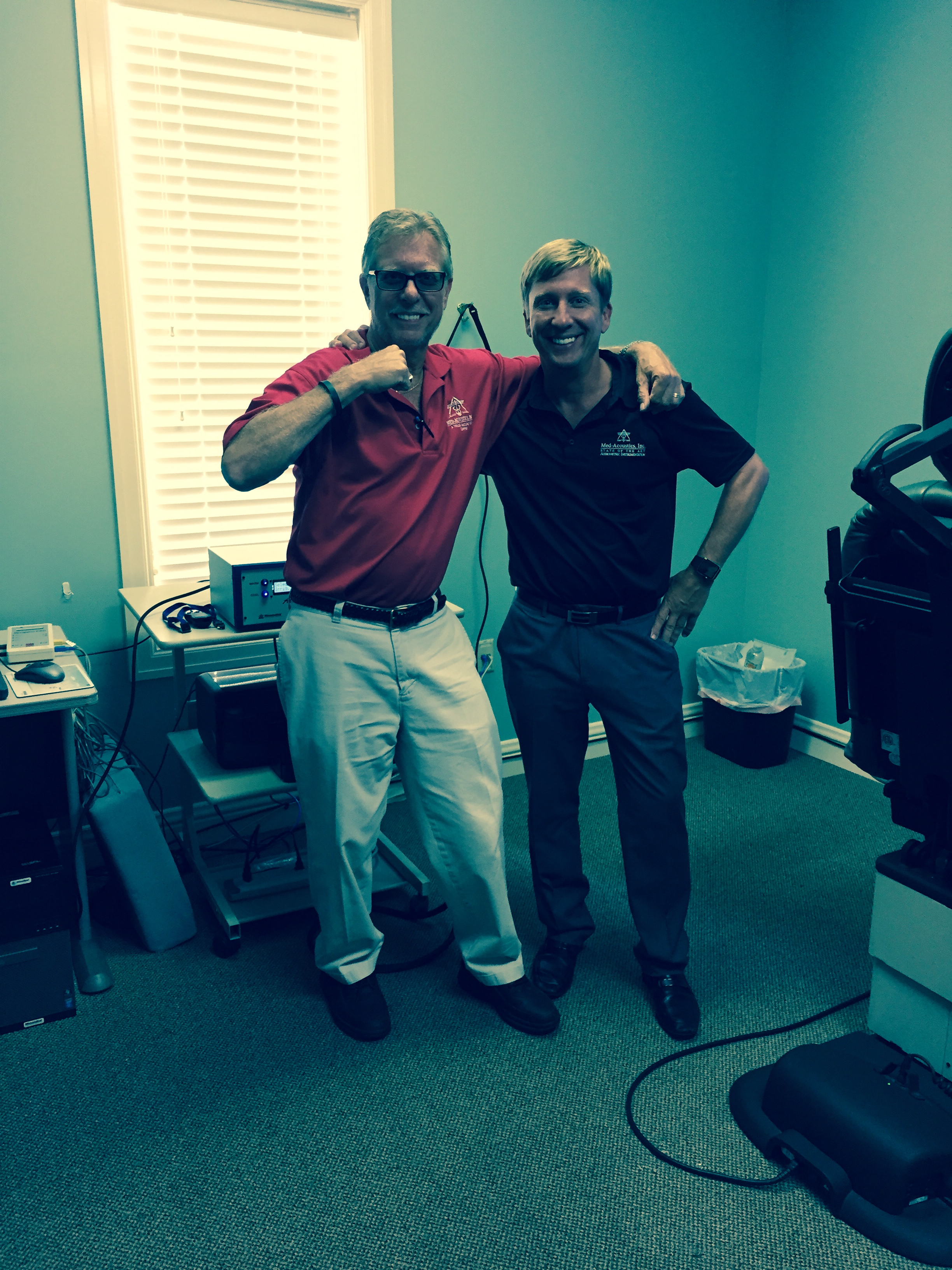 When he was 4 years old, he thought I knew everything. Life was a constant barrage of questions and answers. When he was 14, it seemed like he got up one day and was convinced I knew nothing. Thank God, now that he’s pushing 34 and working with me in our family business, I know everything again.
But during the teenage years it seemed like one battle after another, and I couldn’t figure out what happened. Up until then, Greg was always a good kid and an excellent student, but now he seemed to be making all the wrong choices. He was always in trouble, his grades were slipping, there were all sorts of problems, and I just couldn’t get through to him.
One day I learned the most profound lesson of my life when my sister-in-law said, “Don’t you see what’s wrong with Greg? Did you ever think that maybe he’s just trying to get your attention? Could the problem be that you’re not emotionally attentive to the kids anymore? Could it be that Greg is finding poor substitutes for your attention and he just wants you back? He wants to be able to look up to you again. He still wants to be just like you, but you’re just not there for him.”
You see, when the kids were younger we did everything together and we had continuous healthy interaction. But as they got older, I became so intensely involved in the process of building my business that even when I was home, I wasn’t really there. I was preoccupied, even obsessed, with the business. I might as well have been an absent father. I certainly wasn’t focused on fatherhood. I had sacrificed the family on the altar of the bottom line, and I’ll never ever do it again. By the grace of God, I learned a big lesson that day, and that has made all the difference. My son had wanted nothing more than to get my attention and to become just like me.
Our children do want to be just like us, Dads, and our vocation is to help them to be just like Jesus. That can only be done if Jesus is who they see in us.
Gentlemen, we must be focused on fatherhood. We must be completely present in our homes. We must make them homes where Christ resides, homes where Christ is welcome, homes where Jesus is more than a picture on the wall, but a place where his presence is acknowledged, his name is honored, and his word is obeyed. The home doesn’t need a man in the house – it needs a father!
I read an account of a thirteen year old boy who saved his brother’s life by driving him to a hospital in his father’s car. Never having driven before, his explanation was simple: “I just did what I saw my father do.
We have children who are looking to us for guidance and spiritual direction. “I just did what I saw my father do.” If our children are doing what they see us do, if they want to be just like us, then who will they become? It’s up to us, guys.
Deacon Greg Ollick teaches in the Catholic Catechesis Certificate Program for Saint Joseph’s College Online.